Information
Landmark: Karosta CanalCity: Liepaja
Country: Latvia
Continent: Europe
Karosta Canal, Liepaja, Latvia, Europe
Overview
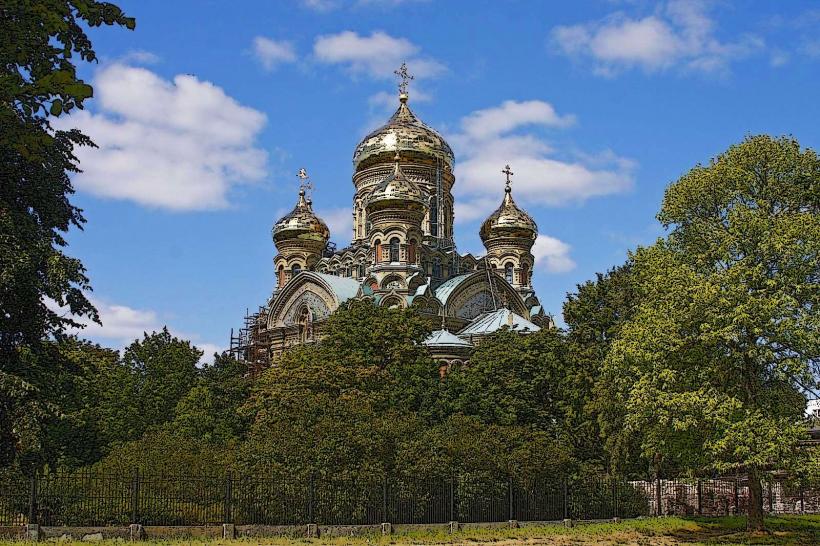
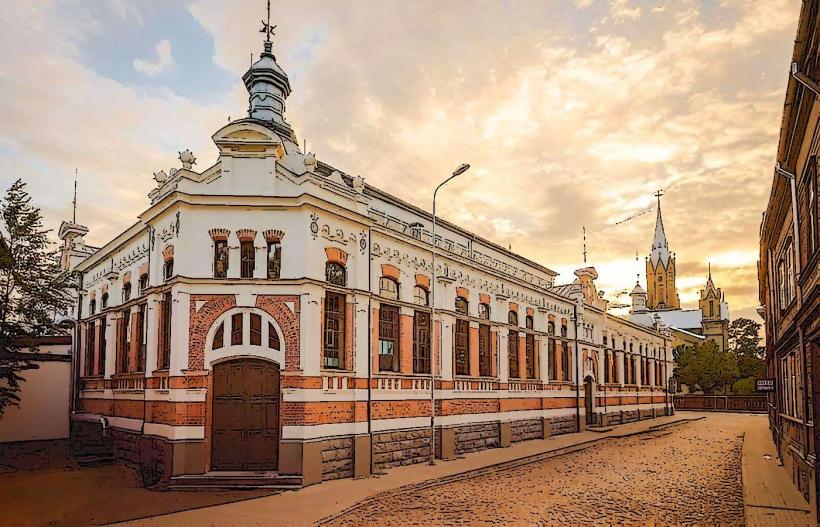
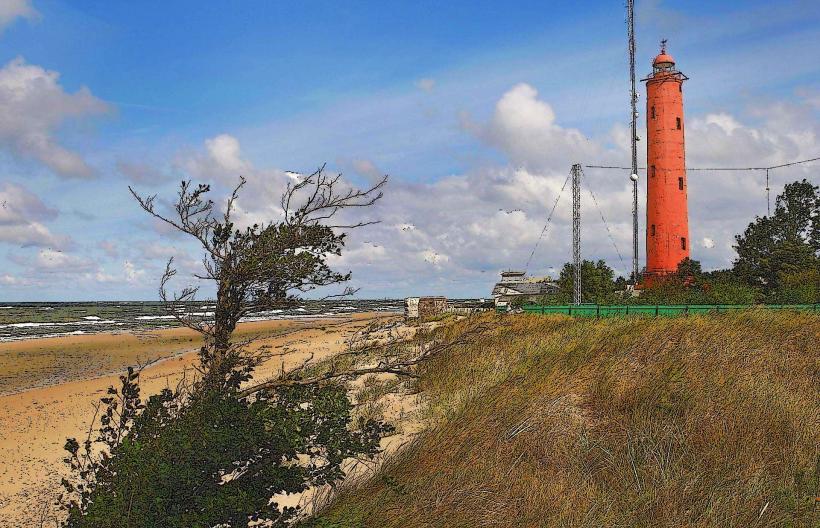
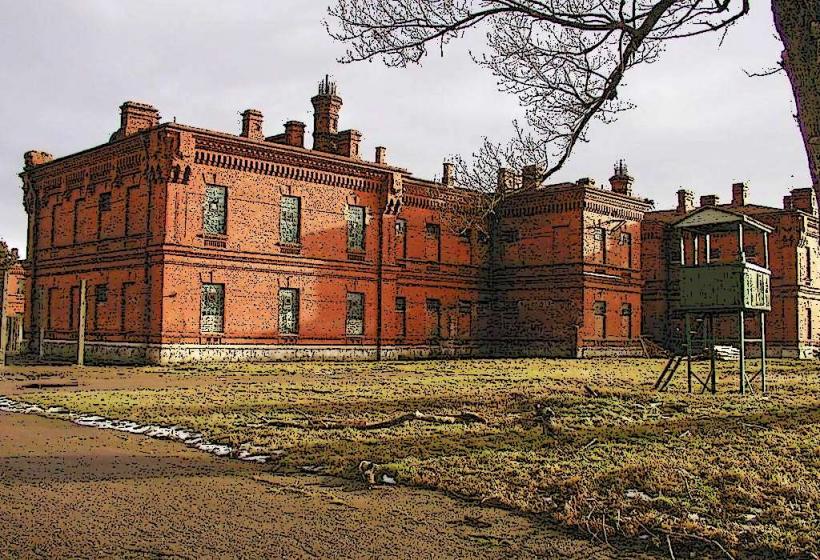
Somehow, In northern Liepāja, Latvia, the Karosta Canal cuts through the heritage naval district of Karosta, a straight, man-made waterway where the wind smells faintly of salt, then the canal runs through the city like a thread of history, once bustling with warships and cargo, and still offering a clear view into Liepāja’s past as a key naval base under both the Russian Empire and the Soviet Union.The Karosta Canal runs through the Karosta district of Liepāja, skimming along the seafront before linking the Baltic Sea with the city’s inland waterways, moreover it’s short, barely stretching a few blocks, yet it shaped the city’s history in a huge way.The canal was first built for industry and the military, guiding naval ships into the city’s harbor and giving them a straight, sheltered route to the Liepāja Naval Base, in turn today, it stands as a reminder of Liepāja’s military past, adding to the area’s distinctive atmosphere with the faint echo of boots on historic stone.Curiously, History and Development: The Karosta Canal took shape in the late 19th century, when Liepāja was under the rule of the Russian Empire and the sound of hammering echoed along its banks, likewise engineers built the canal to link Liepāja’s port with the naval base, giving warships and merchant ships a clear, risk-free route through the city’s winding waterways.The canal played a key role in the Liepāja Port, then regarded as one of the region’s most vital naval bases, where the scent of saltwater mixed with coal smoke hung in the air, moreover the canal played a vital role in the Karosta Naval Base, a major Russian stronghold during the Tsarist era that later served as a Soviet naval hub, where the echo of boots once carried across the freezing, damp docks.The canal let massive ships and submarines glide in, tie up at the pier, and reach the military docks, along with the military’s long stay in Karosta spurred the area’s growth and left its mark on nearly every street, from the stern brick barracks to the orderly grid of roads.Soviet Era: In those years, the Karosta Canal stayed busy, fueling the Soviet Navy’s operations as a key military hub where gray ships slipped quietly through the water, on top of that most of the district was off-limits to visitors, and the canal lay behind the fences of a tightly guarded military zone.From what I can see, After the Soviet Union collapsed, the naval base was left to rust, and over time the canal and its quiet, weed-lined banks opened slowly to the public, what’s more the Karosta Canal offers striking views of the historic Karosta district, where timeworn military buildings stand silent and weathered beside crumbling, abandoned structures.Along the canal, rows of weathered warehouses, rust-streaked factory walls, and crumbling military outposts draw the eye, a quiet lure for history buffs and photographers alike, besides once a route for naval ships, the Karosta Canal now welcomes modest boats-tourist cruisers, kayaks, even the occasional fishing skiff-offering a fresh view of the district from the water.On certain canal boat tours, visitors notice the historic district from the water, the air cool and tinged with salt, while passing crumbling Soviet and Tsarist fortresses, long rows of brick barracks, and weathered lighthouses standing watch along the shore, then historic buildings line the area, their weathered brick and faded paint telling the region’s military past, with the canal running through it as a central landmark, in some ways Just a short wander away stands Karosta Prison, once a Soviet military jail and now a stark reminder of that history, besides today, the heritage prison draws crowds of visitors who come to hear its stories and meander its chilly, echoing corridors on guided tours that reveal Karosta’s military past.Frankly, Just beyond the industrial stretch of the Karosta Canal, herons and other water birds glide over the shallows, bringing a flash of life to the quiet banks, after that in summer, the canal lies still and glassy, a quiet spot to watch herons lift off from the reeds.It’s also steeped in history, drawing anyone curious about Liepāja’s military past and the Soviet years, in addition it sheds light on the city’s role as a naval hub and gives you something real to touch-a weathered anchor, perhaps-that links you to its past.Boat tours let visitors glide along the canal, passing under stone bridges while hearing stories about its past, furthermore the tours often feature stories about the canal’s military role and the surrounding area, from the eerie cells of Karosta Prison to other key sites.Interestingly, The canal sits in Karosta, a district unlike any other, where rusting bunkers crouch by the water and ancient brick facades whisper stories of its military past, moreover strolling or pedaling along the canal and winding through the district lets visitors soak in the area’s eerie, historic-world feel, where worn brick walls seem to whisper their history, roughly You can reach the Karosta Canal on foot, by bike, or by car, and it’s only a short, easy trip from anywhere in Liepāja, alternatively guided tours of the Karosta district often include it, along with stops at nearby sights like the eerie Karosta Prison and the timeworn naval port where rusted ships rock in the harbor.In short, the Karosta Canal is a storied waterway in Liepāja, echoing the city’s naval and military past from the Russian and Soviet eras, when gray warships once lined its banks, and today, you can step back in time, taking a boat out across the shimmering water and wandering through the aged military buildings nearby.Tucked into the Karosta district and ringed by crumbling barracks and rusting gates, its location draws visitors curious about architecture, history, and the lingering Soviet and Tsarist military legacy in Latvia.
Author: Tourist Landmarks
Date: 2025-09-06